Professional Skills Program
A Signature Straus Program Returns
For the first time since 2019, the Straus Institute for Dispute Resolution welcomes back its renowned Professional Skills Program (PSP). For more than three decades, PSP has brought together dispute resolution professionals from around the world for an immersive learning experience focused on developing skills, exchanging ideas, and strengthening practice.
Over two-and-a-half days, participants will select one intensive course and learn alongside nationally recognized practitioners, scholars, and fellow professionals. Small class sizes create an interactive environment for meaningful discussion, practical exercises, and direct engagement with faculty.
Beyond the classroom, shared meals and program gatherings offer opportunities to connect with colleagues from across the dispute resolution community.
Choose your course. Deepen your skills. Expand your perspective.
Enrollment is limited to preserve the highly interactive and personalized PSP experience.
The result is more than a conference; it is an opportunity to step away from everyday practice, engage deeply with the field, and return with new perspectives and practical approaches to your work.
Be the First to Know
Get the latest Straus Institute updates striaght to your inbox.
Program Schedule
Thursday, March 4
7:30 am Registration & continental breakfast
8:30 am Program begins
4:30 pm Evening reception
Friday, March 5
7:30 am Continental breakfast
8:30 am Program begins
5:00 pm Adjourn
Saturday, March 6
7:30 am Continental breakfast
8:30 am Program begins
1:00 pm Adjourn
Upcoming Trainings

Conflict Resolution Consulting: Using Mediation to Improve Organizational Communications, Conflict Coaching, Team Building, Leadership, Change, and Systems Design
Faculty: Ken Cloke & Joan Goldsmith
Move beyond resolving individual disputes to addressing the systems that create conflict in the first place. This workshop explores how mediators and conflict resolution professionals can help organizations build healthier communication, stronger teams, and more collaborative workplaces.
Learn how to combine mediation with conflict coaching, leadership development, change management, and systems design to identify patterns of conflict, uncover opportunities for change, and create more effective approaches to preventing and resolving organizational conflict.
Explore how conflict can become an opportunity for organizational transformation.
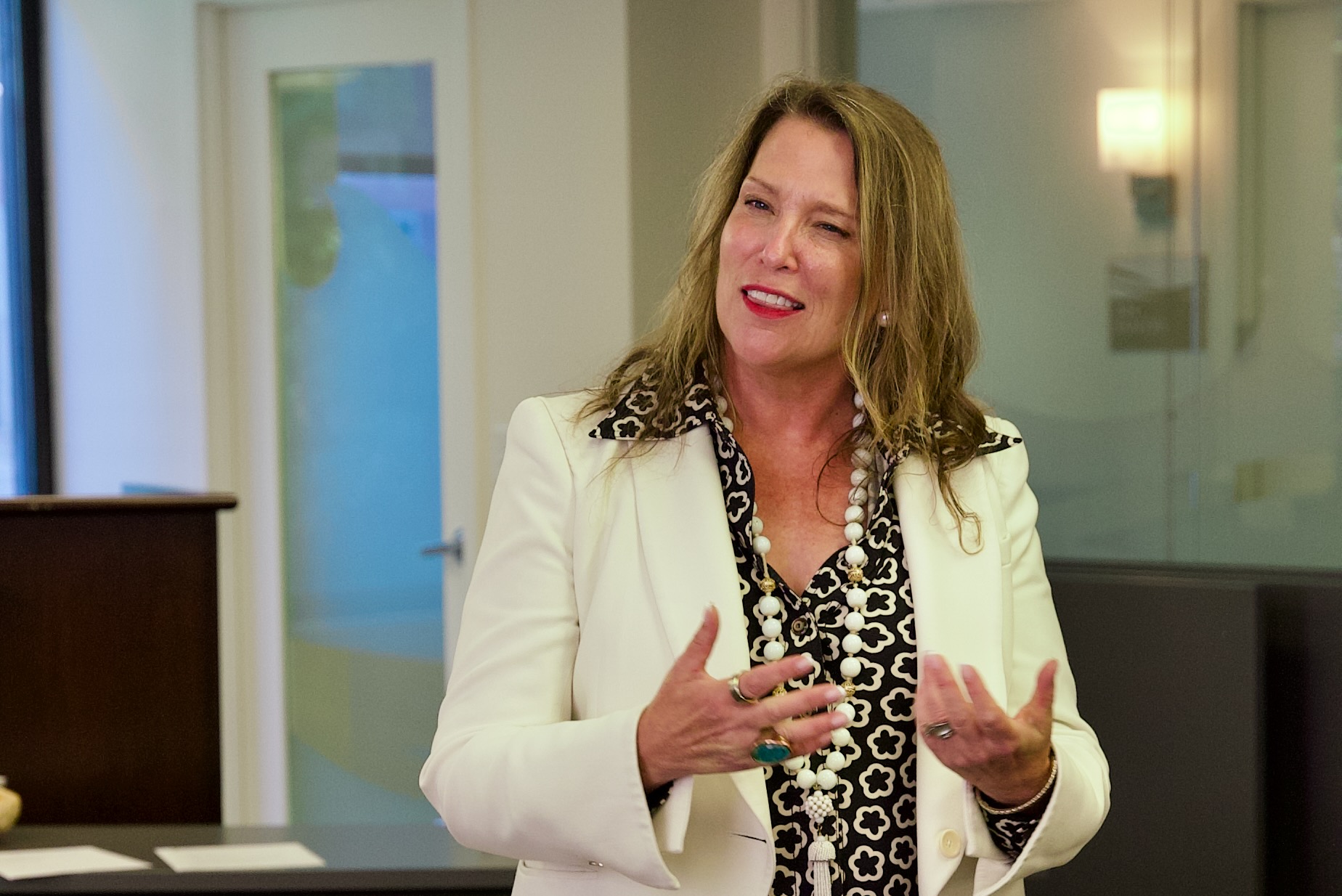
Beyond Trauma-Informed: Mediating Towards Resilience
Faculty: Selina Shultz and Maggie Feinstein
What does it take to help people and communities move through profound trauma and toward resilience? This workshop brings together clinical psychology and dispute resolution to explore how mediators can navigate high-stakes conflict with greater empathy, skill, and purpose.
Drawing from real-world experiences involving mass trauma and community conflict, Maggie Feinstein and Selina Shultz will share practical, human-centered approaches for working with individuals and groups impacted by trauma.
Participants will gain tools for holding space in difficult moments, navigating complex conflict, and moving beyond simply managing pain toward creating conditions for healing, connection, and resilience.

Artificial Intelligence for Conflict Resolution Professionals
Faculty: Colin Rule & Dr. Clare Fowler
AI is changing how professionals work, and dispute resolution is no exception. This highly interactive 2½-day program explores how mediators, arbitrators, attorneys, facilitators, coaches, and organizational leaders can use AI responsibly to enhance their practice while protecting professional judgment, ethics, and confidentiality.
Participants will explore how AI works, emerging ethical considerations, and practical applications across mediation, negotiation, facilitation, coaching, organizational conflict management, and legal practice.
Through demonstrations, hands-on exercises, and real-world examples, participants will develop practical AI workflows for research, document drafting, mediation preparation, client communication, training, information analysis, and more. The course also explores how to build simple AI assistants and automations for recurring work.
Whether you are new to AI or already experimenting with it, you will leave with practical tools, ethical frameworks, and an implementation plan for integrating AI into your professional practice.
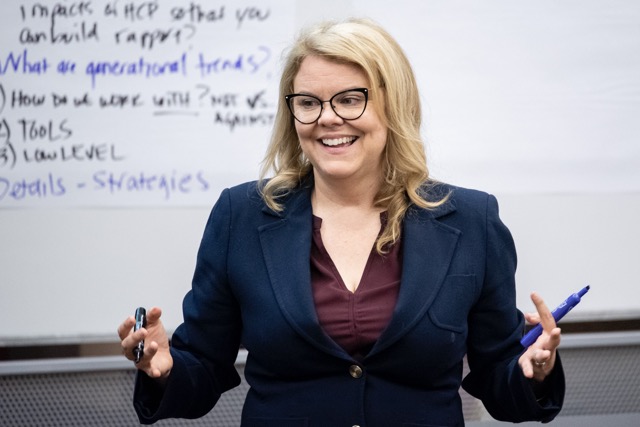
The Commercial Neutral's Edge: Mediator Persona
Faculty: Stephanie Blondell
What sets exceptional commercial mediators apart? Often, it is their ability to understand how their presence, communication style, and personal approach shape the room.
Designed for experienced neutrals, this advanced workshop explores the psychology of presence and perception in high-stakes commercial mediation. Participants will examine their own mediation style, identify their natural strengths, and explore how personal brand and behavioral dynamics can influence trust, communication, and outcomes.
Through behavioral analysis, peer feedback, and individualized coaching, participants will refine their professional persona and develop a more intentional approach to navigating complex, high-emotion disputes.
Gain deeper insight into your unique mediation style and learn how to make your presence a more effective tool in the room.
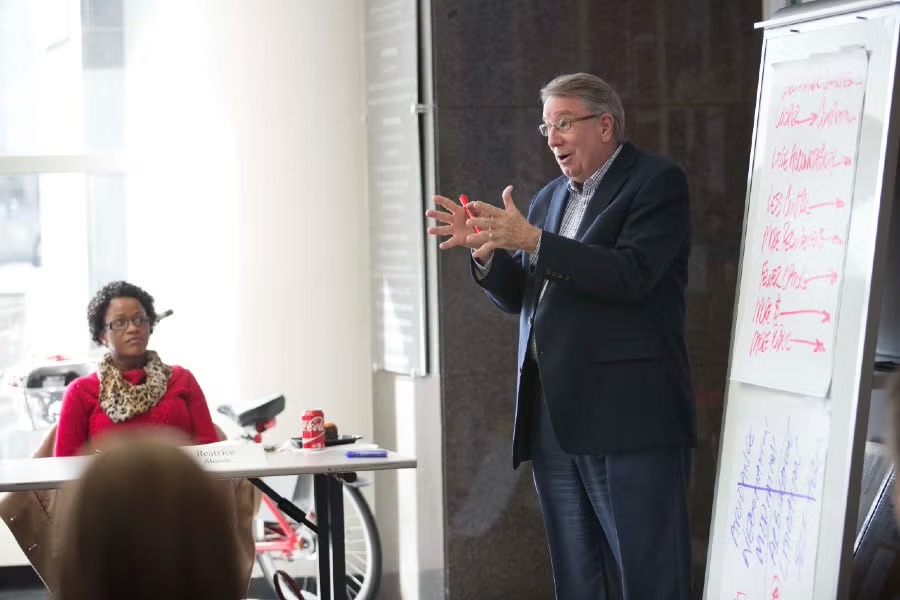
Maximizing Success in Mediation
Faculty: Randy Lowry and Peter Robinson
For experienced lawyers, success in mediation requires more than knowing the process. It requires the ability to navigate its dynamics, advocate strategically, and adapt throughout the negotiation.
This highly interactive advanced course examines every stage of mediation from the perspective of the lawyer-advocate. Through an executive dialogue format that draws on the experience of both faculty and participants, lawyers will explore new strategies, perspectives, and skills for resolving complex civil cases.
Participants will gain practical tools to strengthen their advocacy, better manage the mediation process, and more effectively serve their clients in settlement.
The course is led by Peter Robinson and Randy Lowry, two longtime leaders of the Straus Institute who bring decades of experience as law professors, mediators, advocates, and pioneers in the integration of mediation into the civil justice system.
Designed for experienced lawyers ready to sharpen their mediation advocacy and expand their approach to complex settlement.
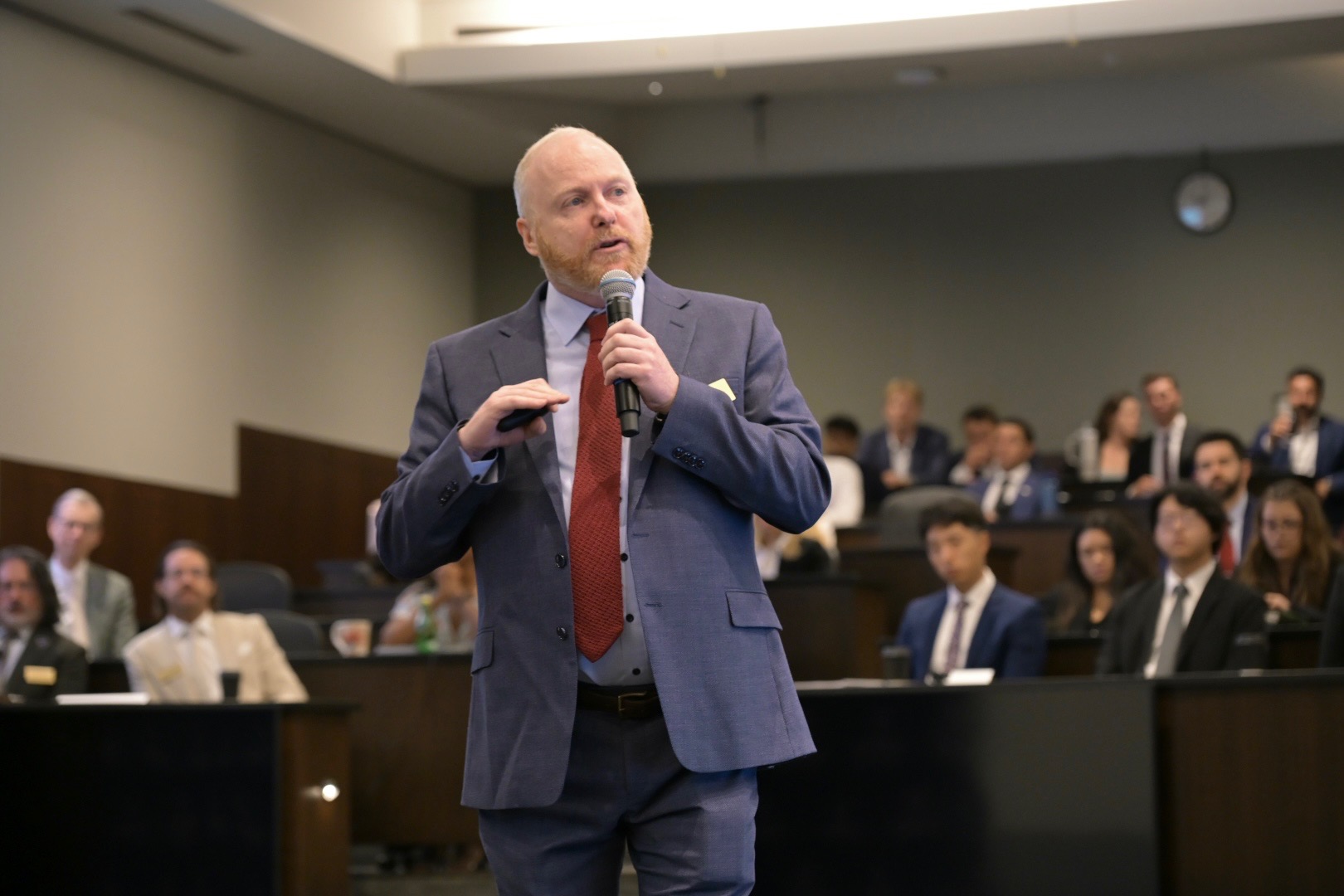
The Negotiation Lab: Think Clearly. Ask Boldly. Build Better Agreements.
Faculty: David P. Dowling
Negotiation is part strategy, part psychology, and part human connection. The Negotiation Lab is an intensive, highly interactive program designed to help professionals become more thoughtful, confident, and effective negotiators.
Through repeated practice, participants will explore the strategy, communication, and human dynamics that shape negotiations, including emotion, bias, power, trust, identity, and relationships. They will learn how to advocate effectively, create value, protect what matters most, and navigate difficult conversations without unnecessarily damaging relationships.
This hands-on program moves beyond lecture. Participants will negotiate in a variety of settings, receive feedback from peers and instructors, observe different approaches, and reflect on both the outcomes and opportunities that emerge at the table.
Whether you are new to negotiation or an experienced practitioner looking to sharpen your skills, The Negotiation Lab offers practical tools and real-world practice you can put to work immediately.
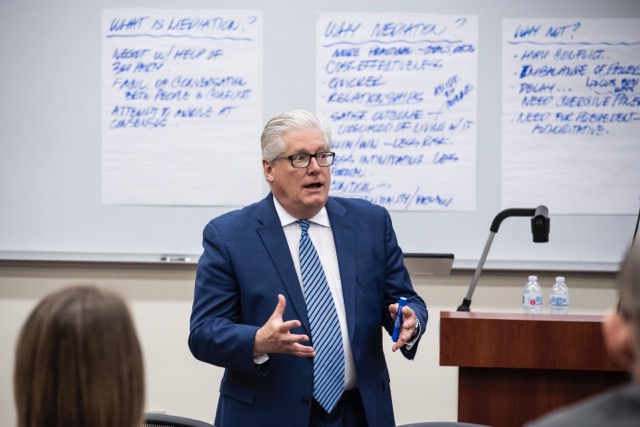
What Would Lincoln Do?: Lessons on Lawyering and Leadership for Challenging Times
Faculty: Thomas J. Stipanowich
What can Abraham Lincoln teach us about navigating conflict, leading through division, and creating meaningful change?
Drawing on Lincoln’s experiences as a lawyer, negotiator, mediator, advocate, judge, policymaker, and president, this interactive course explores how he approached some of the most difficult conflicts of his time. Participants will connect lessons from Lincoln’s life and career with modern insights from behavioral psychology, ethics, negotiation, and adaptive leadership.
Through engaging case studies, problems, and role-playing exercises, participants will examine the character traits, habits, and strategic choices that can help leaders navigate disagreement, build relationships, and respond effectively to moments of significant change.
Explore the enduring lessons of Lincoln’s approach to conflict and discover how they can inform leadership in the workplace, community, and beyond.

Bridging Difference: The Science and Practice of Navigating Bias and Conflict
Faculty: Helen Winter and Shaphan Roberts
How do hidden assumptions shape the way we communicate, make decisions, and navigate conflict?
Drawing on research from David Hoffman and Helen Winter’s Follow the Science: Proven Strategies for Reducing Unconscious Bias, this interactive workshop explores the science of unconscious bias and practical, research-backed strategies for recognizing and counteracting its effects.
Through discussion, experiential exercises, and reflection, participants will examine how bias, culture, and differing perspectives influence interactions and conflict. They will develop greater awareness and practical tools for approaching differences with curiosity, improving communication, and engaging more constructively.
Build the awareness and skills to recognize bias, challenge assumptions, and navigate differences more effectively.

Resolving Sports Disputes: U.S., Olympic & International Practice
Faculty: Maureen Weston and Zachary Calo
Sports generate unique disputes involving athletes, teams, leagues, universities, governing bodies, and commercial partners. This interactive workshop explores the legal, governance, and dispute resolution frameworks shaping the sports industry in the U.S. and around the world.
Participants will examine issues including athlete eligibility, anti-doping, safeguarding and discipline, league and federation rules, contracts, commercial disputes, and the evolving landscape of U.S. college sports. The course also explores the cross-cultural dynamics of resolving disputes in international sport.
Through case studies and hands-on exercises, participants will compare U.S., Olympic, and international approaches while developing practical skills in negotiation, mediation, arbitration advocacy, client counseling, and strategic dispute resolution.
Gain practical tools for navigating the complex disputes shaping modern sports.
Why Attend Professional Skills Program with Straus?
NATIONALLY RECOGNIZED FACULTY
ADVANCED & SPECIALIZED COURSES
2½ DAYS OF IMMERSIVE, INTERACTIVE LEARNING; 17 HOURS OF MCLE CREDIT
Professional Skills Program Trainers
The professional training faculty of the Straus Institute for Dispute Resolution are at the heart of what makes the program exceptional. Comprised of leading scholars, seasoned practitioners, and globally recognized experts, Straus faculty bring both academic rigor and real-world experience into every classroom. Students benefit from learning directly from professionals who have mediated complex international disputes, advised top organizations, and helped shape the field of dispute resolution itself.

Selina Shultz
Read Selina Shultz's Bio
Stephanie Blondell
Read Stephanie Blondell's Bio
David Dowling
Read David Dowling's Bio
Shaphan Roberts
Read Shaphan Roberts's Bio
Peter Robinson
Read Peter Robinson's Bio